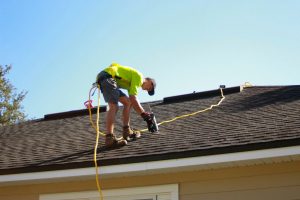
Picture this: a concrete tile roof is 35 years old, and you have spent £2,350 on repairs in three years. That is not just maintenance. It is a replacement decision starting to tap you on the shoulder.
Repair costs on an ageing roof can surpass the cost of replacing it while the roof itself keeps getting worse. One call-out feels reasonable. Add up five years of invoices, and the picture can look rather different.
This guide compares UK repair and replacement costs by material, gives you a tipping-point formula, and highlights the warning signs that mean repairing the roof no longer makes financial sense.
How Long Does Each Roofing Material Actually Last in the UK?
A Welsh slate roof from the 1890s may still be watertight. A concrete tile roof from 1990 may already be struggling. Persistent rain and freeze-thaw cycles can shorten roof lifespan compared with drier climates, and coastal areas are usually harder on materials again.
Here is what you can realistically expect from common UK roofing materials:
Pitched Roofs
| Material | Typical UK Lifespan | Common Failure Modes | Approx. Replacement Cost per m² |
|---|---|---|---|
| Natural slate | 80–150+ years (varies significantly by provenance; Welsh slate typically outlasts Spanish or Chinese imports) | Delamination, nail sickness, slipped slates | £90–£160 |
| Clay tiles | 50–100+ years | Cracking, mortar erosion, peg failure | £65–£120 |
| Concrete interlocking tiles | 30–50 years | Surface erosion, colour loss, cracking | £45–£80 |
| Fibre cement slates | 25–40 years | Brittleness, cracking, moisture absorption | £50–£90 |
Flat Roofs
| Material | Typical UK Lifespan | Common Failure Modes | Approx. Replacement Cost per m² |
|---|---|---|---|
| Lead | 70–100+ years | Thermal fatigue, creep in long runs | £120–£200 |
| GRP fibreglass | 30+ years (manufacturer-estimated; widespread UK adoption is relatively recent, so long-term field data remains limited) | Delamination, joint cracking | £70–£110 |
| EPDM rubber | 25–30 years | Seam failure, punctures | £60–£95 |
| Torch-on felt | 15–25 years | Blistering, splits, lap failure | £45–£75 |
| Built-up felt | 10–15 years | Cracking, blister rupture, ponding | £35–£60 |
Lifespan ranges draw on guidance from the NHBC, NFRC, BRE, and the Lead Sheet Association, plus manufacturer warranty data.
All of them assume the roof has had some maintenance along the way. A neglected slate roof can fail at 40 years. A well-maintained concrete tile roof can reach 50, so the material is only part of the story.
What roofing material has the longest lifespan? Natural slate and lead. Historic England notes that many UK buildings still carry their original slate roofs past the 100-year mark, and lead has been doing the job on flat roofs for centuries.
Repair Costs vs Replacement Costs: What You’re Actually Comparing
The numbers only make sense when you’re comparing the same thing. Here are indicative UK cost ranges for common repairs (national averages as of 2024/2025, based on figures from Checkatrade and MyBuilder; costs vary significantly by region):
- Tile or slate replacement: £150–£400 per visit
- Repointing ridge tiles: £400–£900
- Flat roof patch repair: £200–£600
- Lead flashing repair:** £300–£700
And for full replacements (national averages as of 2024/2025; costs vary by region, roof size, and access):
- Concrete tile pitched roof (average semi-detached): £5,000–£12,000
- Natural slate pitched roof (average semi-detached): £10,000–£25,000 (costs reach the upper end with premium Welsh slate, complex roof geometry, or difficult access)
- Felt flat roof (garage or extension): £1,500–£4,000
- GRP flat roof (garage or extension): £2,500–£6,000
A typical semi-detached has around 80m² of pitched roof area. Concrete tiles at £45–£80/m² puts materials alone at £3,600–£6,400, before scaffold and labour. Use your own roof area to judge where your job lands.
Per-m² costs above reflect typical UK pricing as of 2024/2025 from trade sources and supplier price lists. Region, supplier, and specification all move the number.
The part that catches most people: scaffold hire adds £600–£1,200 per visit on a two-storey semi, and plenty of repair quotes don’t include it. On a one-off job that’s annoying. Once repairs start repeating, it’s the thing that breaks the maths.
Three scaffold hires at £800 each plus three repair bills at £400 each? That’s £3,600, and you still have the same roof underneath. Replacement-level spend, nothing replaced.
Most roofers will tell you the same thing: on an ageing roof with recurring faults, the repair bill usually catches up with replacement eventually. It just arrives in smaller, easier-to-ignore instalments.
The Tipping Point: When Repair Becomes More Expensive Than Replacement
The rule of thumb most roofing contractors use: if repairs over the next five years are likely to top 50% of full replacement cost, replace. For roofs already past 80% of their expected lifespan, some professionals drop that threshold to 30%. The older the roof, the higher the chance one problem pulls another behind it.
A second marker worth knowing: once a roof hits 75–80% of its expected lifespan, planned replacement tends to make more sense than another patch.
One condition met? Start planning. Both conditions met? You’re already behind.
Worked Example 1: Concrete Tile Roof, Aged 35
A homeowner paid £800 in 2022, £600 in 2023, and £950 in 2024 for repair call-outs. That is £2,350 in three years. The projected replacement cost is £8,000.
At the same pace, the five-year repair total will comfortably pass £4,000, which is more than 50% of the replacement cost on a roof already near the top end of its expected lifespan. More repairs would mean putting money into a declining asset.
Worked Example 2: Felt Flat Roof, Aged 18
One patch repair costs £350, but the membrane is brittle across the full surface. Another failure within 12 months is very likely. Full GRP replacement costs £2,800.
Two more patch repairs plus scaffold hire within 18 months would cost £1,500–£2,000 and still leave the homeowner with the same failing membrane. The repair route clearly loses.
Worked Example 3: Natural Slate Roof, Aged 50
One ridge repoint at £600 on a roof with 30–80 years of remaining life. This is exactly the sort of repair that makes sense. The roof is nowhere near the tipping point, and the underlying structure is sound.
A roof past its expected lifespan can put interior water damage claims at risk of insurance refusal, and can cause damage to plasterboard, timber, and rafters that no repair quote includes. On older roofs, underlying problems such as rotting battens or damaged felt cannot be fixed with surface repairs, which can make full re-roofing the only effective option.
These hidden costs don’t show up on a repair quote, but they can become larger than the roofing bill itself.
Five Warning Signs That Repair Is No Longer Enough
Recurring leaks in the same area despite previous repairs
Two competent repairs, same spot, same result. That is not bad luck, that is the roof telling you the problem is wider than any patch can reach.
Widespread cracked, slipped, or missing tiles or slates
Scattered damage across the roof often points to failing fixings or battens deteriorating underneath, not a run of isolated incidents. The roofer’s rule of thumb: once damage covers more than 25% of the roof area, repair stops being practical and replacement becomes the sounder call.
Sagging or uneven roof plane
A dip or bow in the roofline is structural. Get a professional assessment. In most cases, replacement follows.
Moss or vegetation penetrating beneath the surface layer
Roots that have worked into mortar beds, beneath tile nibs, or through felt layers speed up deterioration faster than cleaning can solve. If moss pulls away cleanly and leaves the tile surface intact, it is cosmetic. If tiles crack or crumble when moss is removed, or you can see roots beneath tile edges, the damage is structural. Once root damage reaches the underlay, time is no longer on your side.
The roof has reached or exceeded its expected lifespan
Materials become brittle and porous with age. A concrete tile roof at 45 years or a felt flat roof at 18 years is statistically overdue for failure. The next storm simply has better odds.
Flat roof specific: widespread blistering and a spongy feel underfoot (trapped moisture) mean replacement is overdue. So does membrane-wide cracking, rather than one isolated split.
How long does a roof last before replacing? Use the lifespan table above as your starting point. The answer depends entirely on the material.
The Hidden Costs of Delaying a Roof Replacement
The next repair bill is the smallest line item on an ageing roof.
Interior damage.
A slow leak left through one winter can collapse plasterboard ceilings and rot structural timbers.
Mould on top of that means specialist remediation, which can reach £3,000–£8,000 or higher based on typical water damage restoration estimates.
Roofers frequently report cases where, by the time full replacement finally happened, half the decking underneath had rotted through and needed replacing. Earlier replacement would have avoided the additional cost entirely.
Energy loss.
A failing roof with compromised or saturated insulation raises heating bills gradually.
According to Energy Saving Trust guidance, a roof with poor or missing insulation can increase heating costs by roughly £200–£500 per year compared to a properly insulated home.
Insurance risk.
Under the Insurance Act 2015 and standard policy terms, insurers can refuse claims on interior water damage if the roof was visibly deteriorating before the incident.
Some insurers may apply exclusions or require surveys for older roofs, check your policy wording. If in doubt, call your insurer and ask directly whether a roof over a certain age affects your cover.
Scaffold economics.
Each repair requiring scaffold costs £600–£1,200 in access alone. A full replacement uses one scaffold hire. Three separate repairs could mean three separate access charges.
Buyer perception.
A surveyor flagging an aged or poorly maintained roof can trigger price renegotiation or put off buyers altogether.
Surveyors commonly recommend buyers negotiate £5,000–£15,000 off the asking price for a roof needing replacement, which can sometimes exceed the actual cost of the work.
When Is the Best Time of Year to Replace a Roof in the UK?
Autumn and winter bring storm damage, and early spring brings everything those seasons left behind. Both periods tend to mean higher demand, harder booking, and less competitive pricing.
- Late spring and summer (May to August) are the practical window; quicker completion, more roofers available, fewer weather delays, and dry, warm conditions that help adhesives and membranes cure properly.
*
- Winter work is possible on pitched roofs during dry spells, but weather delays are a real risk. For flat roofs, wet or freezing conditions make most membrane types unsuitable until conditions improve.
What time of year is cheapest to replace a roof? Late spring and summer are often the best windows for roofer availability, weather, and pricing, although this varies by region and year.
Booking ahead during quieter periods gives you more choice and better pricing leverage. Planned replacement gives you control over timing in a way emergency call-outs never do.
Knowing your roof’s expected lifespan (whether that is 25 years for an EPDM flat roof or 50 years for concrete tiles) lets you plan the replacement window and budget before the roof forces the issue.
Choosing a Roofer
For detailed guidance on vetting roofers, see our separate guide. The short version: many consumer advice bodies such as Citizens Advice and Trading Standards suggest deposits should not exceed 25–30%, and two or three quotes for any job over £1,000 lets you sense-check scope, materials, and professionalism, not just price.
Check that your roofer is registered with NFRC or TrustMark.
A clay tile roof can last 100 years when properly installed. Fitted badly, it can fail within 10–20 years. The roofer is as much a part of the decision as the material.
Repair if: isolated damage, roof under 60% of lifespan, total five-year repair cost under 30% of replacement. Replace if: recurring failures, past 80% of lifespan, or five-year repair costs exceeding 50% of replacement.