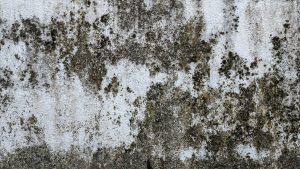
Mould on walls and ceilings is a common problem in UK homes, particularly during the colder months. While it can look unsightly and affect your health, the good news is that it can usually be dealt with effectively.
What Causes Mould?
Mould thrives in damp conditions. The most common causes include:
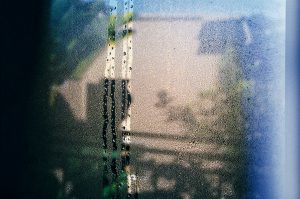
- Condensation from everyday activities like cooking, showering, and drying clothes indoors
- Poor ventilation in rooms such as bathrooms and kitchens
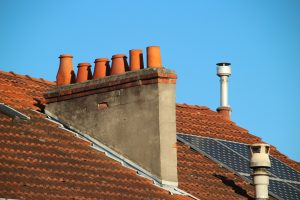
- Roof leaks that allow water to penetrate walls and ceilings
- Rising damp from ground level
How to Remove Mould Safely
Step 1: Protect Yourself
Wear rubber gloves, a face mask, and goggles before starting.
Step 2: Prepare a Cleaning Solution
Mix one part white vinegar with one part water in a spray bottle. Alternatively, use a specialist mould removal spray.
Step 3: Apply and Scrub
Spray the affected area generously and leave for 15 minutes. Then scrub with a stiff brush or cloth.
Step 4: Rinse and Dry
Wipe the area with a clean damp cloth, then dry thoroughly.
Preventing Mould from Returning
- Improve ventilation with extractor fans and trickle vents
- Use a dehumidifier in problem rooms
- Keep heating consistent to avoid cold surfaces
- Check your roof for leaks or damage
If mould keeps returning despite your efforts, it may indicate a deeper issue such as a roof leak. Consider getting a professional roof inspection.